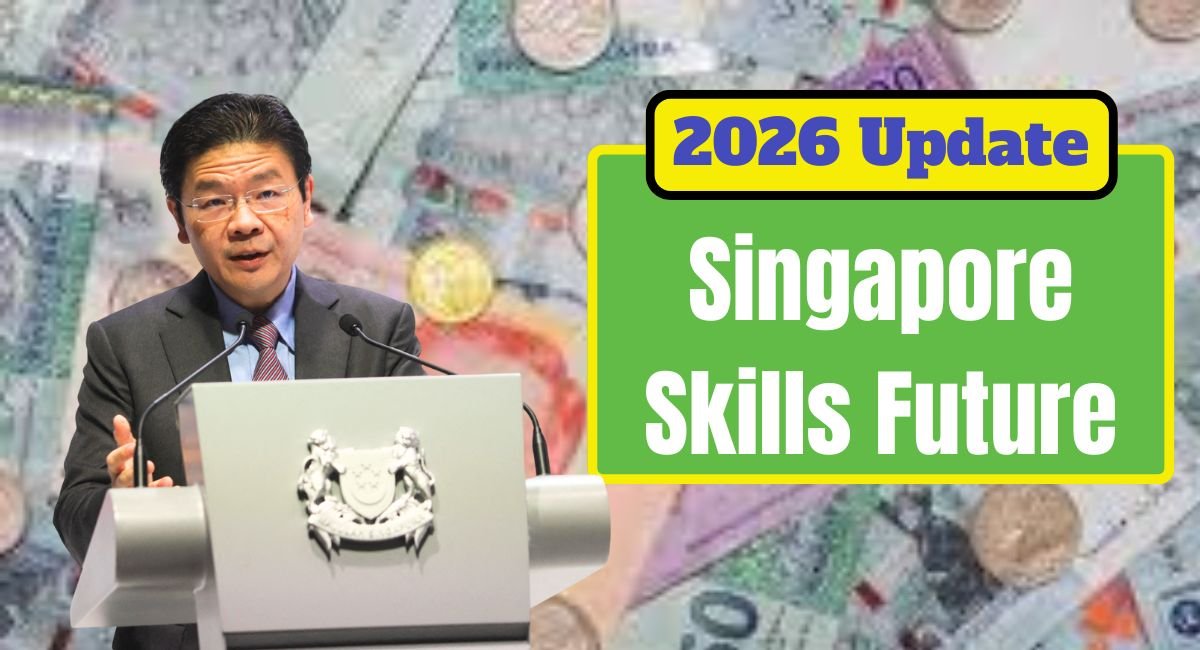
In 2026, Singapore made a big move regarding its Skills Future programme, a great step forward as it doubled down on lifelong learning and workers’ retraining. Among the changes to the programme are the introduction of new training credits, compulsory upskilling for the adult education sector, and more options for the career changers to join the growing sectors.
What Is SkillsFuture?
SkillsFuture, which was launched in 2015, is a national initiative that credits up to a certain amount for Singaporeans to take training courses. This initiative helps the citizens to take control of the development of their skills, thus keeping them from becoming obsolete in the quickly changing economy.
New Training Credits in 2026
Starting from April 2026, Singapore will be giving its citizens additional SkillsFuture credits focusing on the following sectors:
- Digital economy (AI, data analytics, cybersecurity)
- Green economy (sustainability, renewable energy)
- Care economy (healthcare, eldercare, social services)
The government will be offering these credits with the hope that the citizens will be encouraged to learn in the areas that have a lot of demand and good future growth.
Mandatory Training for Adult Educators
One of the most important changes taking place is that there will be regular training for adult educators and it will be mandatory. Beginning on April 1, 2026, all trainers must:

- Be registered with the SkillsFuture Singapore (SSG)
- Have their skills upgraded on a regular basis
- Do practice hours in order to be certified
Thus, this will lead to quality educators being able to conduct educational training.
Mid-Career Pathways
The revision also makes a stronger case for support for mid-career workers. New programs will be implemented that will provide:
- Career transition credits for workers aged 40-60
- Support for training in growing industries
- Guidance from advisory centres for the reskilling process of workers
This is a signal that Singapore is looking to help its workers ride on the waves of technology and societal changes.
Employer Commitments
In workplaces the main focus will switch to the employers who should start taking more responsibility for the training of workers. Government will be enlarging the “queen bee” model, in which the leading firms teach smaller ones how to apply training practices. Consequently, skills upgrading will be influenced by the market in both directions.
Latest Information Table
| Update Area | 2026 Change | Impact |
|---|---|---|
| Training Credits | New credits for digital, green, care sectors | Citizens gain targeted upskilling opportunities |
| Adult Educator Requirements | Mandatory registration, training, practice hours | Higher quality teaching standards |
| Mid-Career Pathways | Career transition credits, advisory centres | Stronger support for workers aged 40–60 |
| Employer Role | Expanded “queen bee” mentorship model | Industry-wide training adoption |
| Skills Passport | Enhanced tracking of skills and employment history | Better career planning for individuals |
Why This Matters
The SkillsFuture 2026 update is not merely a policy change—it is a deliberate decision to secure Singapore’s future workforce. By directing attention to new industries, the quality of adult educators, and mid-career support, the campaign ensures that people will always be in demand and industries will not lose their competition.

Expert Views
Education professionals predict that the compulsory training of teachers in adult education will have a positive effect on the quality of education. On the other hand, economists foresee that the selective credits in the areas of digital, green, and care sectors will be in line with Singapore’s economic priorities in the long-run.
Conclusion
The Singapore SkillsFuture 2026 update is indeed a daring measure at the point of both taking the skills of the teaching staff to a higher level and building a workforce that is competent for the next generation of jobs at the same time. The new training credits, mandatory educator upskilling, and expanded mid-career pathways all put Singapore in the position of becoming a worldwide leader in skills development.